$40 Billion Hype or Breakthrough? Inside Figure AI’s Robot Gold Rush
– 4 min read
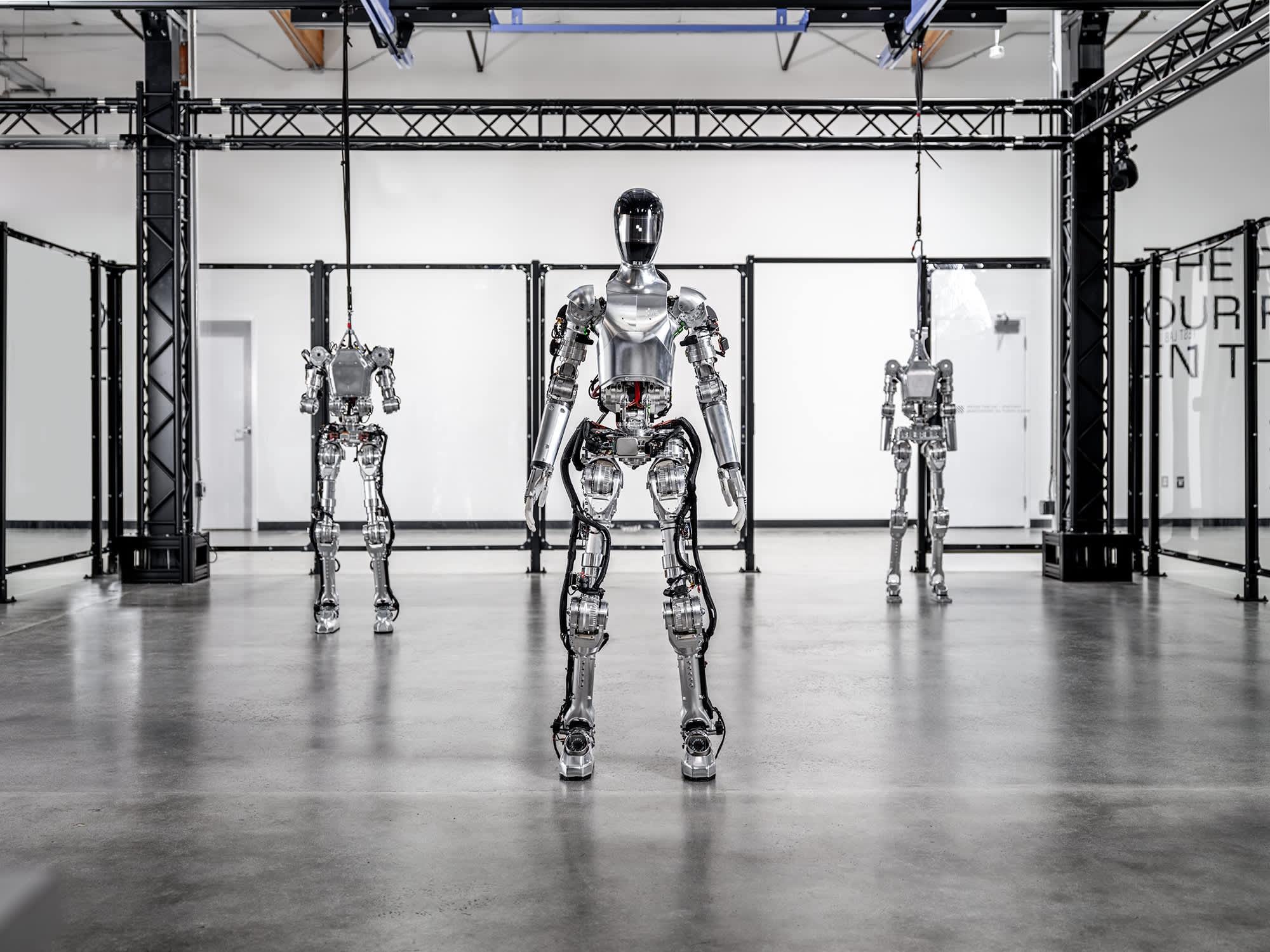
Figure AI: The $40 Billion Robotics Revolution
Figure AI is a three-year-old robotics startup developing humanoid robots intended for industrial use, with longer-term ambitions that include deployment in consumer environments. The company is currently seeking to raise capital at a valuation approaching $40 billion, based on projections that include deploying more than 200,000 robots by 2029 and generating several billion dollars in annual revenue.
Invest in top private AI companies before IPO, via a Swiss platform:
 SmartProfit Finder AG
The company’s robots are designed in a humanoid form factor, allowing them to operate in environments originally built for human workers. Unlike traditional industrial robots that are fixed in place or operate behind safety barriers, Figure’s systems are intended to move freely within existing workplaces, performing tasks without requiring major infrastructure redesign.
Figure’s humanoid robots rely on a combination of mechanical design and artificial intelligence software intended to support perception, navigation, and task execution in dynamic environments. Earlier generations of industrial robots typically operated through predefined motion sequences and required extensive customization for each task. Figure’s approach emphasizes adaptive behavior through machine learning–based control systems.
The company states that it now develops its robot AI stack internally, following the conclusion of an earlier collaboration with OpenAI. According to Figure, this software is designed to allow robots to interpret sensory input, plan actions, and adjust behavior in response to changes in their surroundings. Current demonstrations focus on handling industrial components and navigating factory settings rather than fully autonomous general-purpose operation.
Figure’s most visible industrial collaboration to date involves BMW’s manufacturing facility in South Carolina. In early 2024, Figure deployed a small number of humanoid robots to the site for technical evaluation. Initial activities were conducted primarily during nonproduction hours, allowing the robots to practice basic tasks such as grasping and positioning components in a controlled environment.
BMW has confirmed the presence of Figure robots at the facility, noting that the deployment began with three units. Over time, testing expanded to include limited use during live production periods alongside continued off-hours operation. While the robots are not operating independently at scale, the deployment represents one of the first instances of humanoid robots being evaluated inside an active automotive factory.
Figure AI was founded by Brett Adcock, whose previous ventures include Vettery, an online hiring platform sold in 2018, and Archer Aviation, an electric vertical takeoff and landing aircraft company that went public through a SPAC transaction in 2021. After Archer, Adcock turned his focus to robotics, forming Figure in 2022.
The company progressed rapidly from concept to prototype, unveiling its first humanoid robot within approximately one year of founding. Figure has attracted investment from several major technology firms and investors, including Microsoft, Nvidia, and Jeff Bezos’ private investment firm. These backers have contributed to funding rounds that have valued the company in the multibillion-dollar range prior to its current fundraising effort.
Figure AI is seeking to raise approximately $1.5 billion at a valuation of roughly $39.5 billion. At the time of fundraising, the company reported no material revenue and had deployed only a limited number of robots in pilot programs. Its valuation case is based largely on forward-looking projections rather than current financial performance.
Investor materials referenced in reporting indicate expectations of reaching up to $9 billion in annual revenue by 2029. These projections assume large-scale adoption of humanoid robots across industrial settings and potentially beyond. As with many early-stage deep-technology companies, the valuation reflects anticipated market size and future execution rather than established cash flows.
Figure’s fundraising process has drawn attention within private capital markets, including activity in secondary share trading. The company and its representatives have highlighted strong investor interest, and intermediaries have marketed access to the round through special-purpose investment vehicles.
According to investor accounts cited in reporting, materials provided during diligence emphasized demonstrations, videos, and presentations outlining the company’s technological roadmap and long-term vision. Traditional audited financial statements and detailed near-term revenue forecasts were limited, reflecting the company’s early commercial stage.
Figure AI’s development raises broader questions about the pace at which humanoid robotics can transition from pilot deployments to large-scale commercial use. While the BMW partnership demonstrates early industrial interest, scaling production to hundreds of thousands of robots would require significant advances in manufacturing, reliability, cost reduction, and software robustness.
The company’s progress will be closely watched as a test case for whether general-purpose humanoid robots can achieve widespread adoption in factories and other structured environments. The outcome may influence how investors evaluate similar robotics ventures and how enterprises approach automation strategies over the coming decade.
Figure AI illustrates the tension between long-term technological ambition and present-day commercial reality that characterizes much of the current AI and robotics investment cycle. The company has demonstrated early technical capability and secured high-profile partnerships, while simultaneously pursuing a valuation that reflects expectations of rapid, large-scale deployment.
Whether Figure’s humanoid robots evolve into widely adopted industrial tools or remain constrained to limited pilot use will depend on execution, economics, and customer acceptance. As such, the company’s trajectory will serve as an important indicator for the broader humanoid robotics sector and for investor appetite for capital-intensive AI hardware businesses.