Tesla Investors Back Elon Musk’s Record $1 Trillion “Moonshot” Pay Deal
– 4 min read
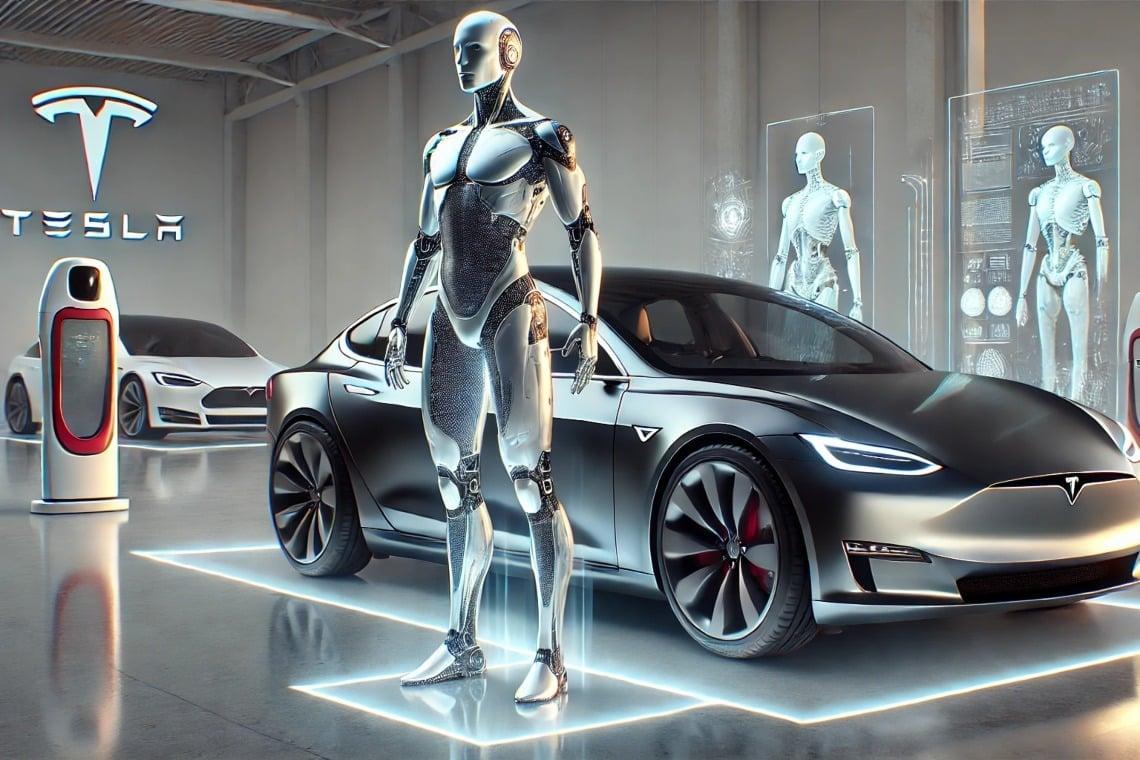
Tesla shareholders have approved a new long-term compensation package for Chief Executive Officer Elon Musk that could be worth up to $1 trillion in stock if all performance conditions are met. More than 75% of votes cast supported the proposal, reflecting broad shareholder approval of the incentive structure and Tesla’s long-term strategic direction.
Invest in top private AI companies before IPO, via a Swiss platform:
 SmartProfit Finder AG
The vote took place at the company’s annual shareholder meeting in Austin, Texas. During the meeting, Musk outlined Tesla’s long-term priorities and emphasized the company’s focus on expanding beyond electric vehicles into areas such as artificial intelligence, autonomous driving, and robotics.
The compensation plan consists of 12 performance-based tranches of Tesla stock. Each tranche becomes available only if the company meets specific market capitalization and operational milestones over the coming decade. If all targets are achieved, Musk’s ownership stake could increase from approximately 15% to as much as 25%.
To unlock the full award, Tesla’s market capitalization would need to rise from around $1.5 trillion to approximately $8.5 trillion. In addition to market value thresholds, the plan includes operational targets related to vehicle sales, Full Self-Driving subscriptions, robotaxi deployment, and humanoid robot commercialization.
The structure is designed to link Musk’s compensation entirely to long-term company performance. Musk receives no cash salary under the plan, and stock awards vest over periods ranging from 7.5 to 10 years, during which the shares cannot be sold.
The proposal generated differing views among institutional investors and proxy advisory firms. Some organizations, including Institutional Shareholder Services, recommended voting against the package, citing concerns about its scale, governance implications, and the concentration of voting power that could result if all tranches are awarded.
Other investors supported the plan, arguing that it aligns management incentives with shareholder outcomes by tying compensation exclusively to sustained increases in company value. Supporters emphasized that Musk would only benefit if Tesla delivers exceptional long-term returns.
The vote outcome indicates that a majority of shareholders were persuaded by the alignment argument despite the size and complexity of the compensation structure.
The compensation plan reflects Tesla’s stated intention to expand its business model beyond vehicle manufacturing. The company has positioned autonomous driving software, robotaxi services, and humanoid robotics as core components of its future revenue strategy.
Tesla continues to develop Full Self-Driving software as a subscription-based product and has highlighted the potential for robotaxi networks to generate recurring revenue. The company has also disclosed ongoing development of humanoid robots intended for use in industrial and commercial environments.
Shareholders also voted on proposals related to Tesla’s relationship with xAI, a separate artificial intelligence company founded by Musk. The vote results indicated shareholder support for deeper collaboration between Tesla and xAI on AI development.
If all performance tranches are achieved, Musk’s voting influence within Tesla would increase significantly. While the shares awarded under the plan carry voting rights once granted, they remain subject to extended vesting periods that restrict liquidity.
Tesla has stated that the structure is intended to retain Musk’s long-term involvement while ensuring accountability through performance requirements. Critics, however, continue to raise questions about board independence and the governance implications of such a large equity-based award.
Tesla’s previous 2018 compensation plan for Musk remains the subject of ongoing legal proceedings. A Delaware court previously ruled that the approval process for the earlier package did not meet governance standards, citing concerns about board independence. Tesla is appealing that ruling to the Delaware Supreme Court.
The unresolved legal case adds context to shareholder scrutiny of the new compensation arrangement and has kept corporate governance issues in focus during the approval process.
Tesla’s compensation structure reflects a broader trend toward performance-based executive pay tied to ambitious long-term targets. The approach resembles venture-style incentive models in which compensation outcomes depend heavily on transformative growth rather than incremental performance.
Supporters view the model as appropriate for companies pursuing high-risk, high-reward technological strategies. Critics caution that such arrangements can increase governance complexity and concentrate influence if not carefully managed.
With shareholder approval secured, the new compensation plan formally links Musk’s personal financial outcomes to Tesla’s success in executing its long-term strategy across autonomous driving, artificial intelligence, and robotics. The effectiveness of this approach will depend on the company’s ability to achieve the operational and financial targets embedded in the plan over the coming decade.
https://www.wsj.com/business/autos/elon-musk-tesla-pay-package-vote-9abd5a73